

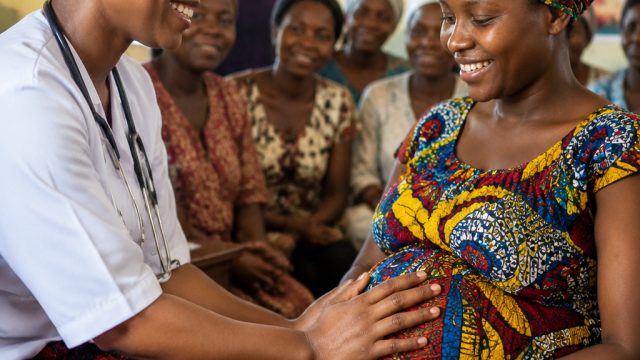
The ongoing challenges faced by women during childbirth, particularly in regions lacking adequate medical facilities, have brought maternal health into the spotlight. With the current global health discourse centering around accessibility and quality of care, it is imperative to address the issue of obstetric fistulas — a painful condition that can arise from prolonged or obstructed labor. This article delves into the urgency for action, highlighting the need for enhanced maternal healthcare and the critical importance of raising awareness about fistula.
The Impact of Obstetric Fistulas on Women
Obstetric fistulas are not merely a medical condition; they represent a significant social issue affecting countless women worldwide. These injuries, often resulting from insufficient medical intervention during childbirth, can devastate lives. Women suffering from fistulas endure not only physical pain but also social stigma, isolation, and emotional distress. The statistics are alarming — without timely medical assistance, many affected women face a lifetime of suffering.
Understanding the Condition
An obstetric fistula occurs when there is a prolonged labor or an obstructed delivery, resulting in a tear between the birth canal and the bladder or rectum. This injury leads to incontinence, which can be socially devastating. Many women are forced to withdraw from their communities, facing marginalization and loneliness.
The Need for Quality Obstetric Care
In many lower-income regions, access to skilled birth attendants and emergency obstetric care is limited. Factors such as poverty, lack of education, and insufficient healthcare infrastructure contribute to the prevalence of fistulas. It is vital to ensure that all women have access to proper prenatal care, skilled delivery, and postnatal follow-up to prevent such complications from arising.
The Role of Awareness and Education
Awareness campaigns play a crucial role in combating the stigma surrounding fistulas. By educating communities about the causes, prevention, and treatment of obstetric fistulas, we can foster an environment where women feel empowered to seek help. Initiatives aimed at training healthcare providers and enhancing community understanding can significantly reduce the incidence of this condition.
Community Engagement Initiatives
- Workshops educating women about pregnancy health.
- Training programs for local healthcare providers.
- Support groups for affected women to share experiences and resources.
Leveraging Technology for Awareness
In today’s digital age, social media platforms and online resources can be utilized to spread awareness about maternal health issues. By sharing stories and testimonials from survivors, organizations can reach a wider audience and emphasize the importance of access to maternal healthcare services.
Global Initiatives and Support Networks
Numerous global initiatives aim to tackle the issue of maternal health and reduce the rates of fistulas. Organizations like the United Nations and various NGOs work tirelessly to provide education, resources, and medical assistance to affected regions. Supporting these initiatives is essential for generating meaningful change.
How You Can Help
Individuals can contribute to the cause in various ways:
- Donate to organizations dedicated to maternal health.
- Advocate for better healthcare policies and funding.
- Share information and resources on social media platforms.
Conclusion: A Call to Action
The issue of obstetric fistulas continues to be a pressing concern that requires immediate attention. As a global community, we must unite to provide better healthcare solutions and raise awareness about maternal health. By improving access to skilled obstetric care and fostering education around reproductive health, we can help prevent fistulas and ensure that no woman is left to suffer in silence. It is time to act and support initiatives that transform lives — because every woman deserves the right to a safe childbirth experience.