

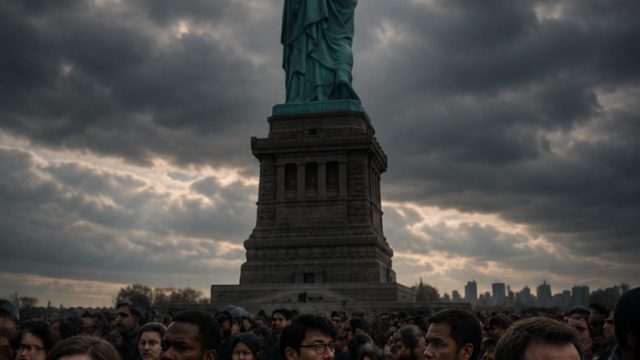
In a rapidly changing political landscape, the perception of the United States on the global stage has entered a troubling phase. Recent research indicates a significant decline in international confidence toward the U.S., as many view the nation as an unreliable partner. This trend is particularly alarming given the interconnected nature of today's geopolitical environment, making it crucial for citizens, policymakers, and businesses to understand the implications.
Pew Research Findings Highlight Diminished Trust
The Pew Research Center recently released a survey revealing that only 23% of respondents outside the United States approve of the current administration's direction. This statistic paints a stark picture of the global sentiment towards American leadership, raising questions about the long-term impact on foreign relations and economic partnerships.
Key Survey Insights
- Trust in U.S. leadership has plummeted, affecting diplomatic ties.
- Responses from various countries indicate a widespread lack of confidence.
- Far-right groups previously supportive of the U.S. are now expressing skepticism.
Political Shifts and Their Global Impact
The decline in positive perceptions is not merely a reflection of one administration's policies; it signifies broader shifts in global politics. As nations grapple with issues like climate change, trade agreements, and international security, the expectation for U.S. leadership has evolved. Countries are beginning to seek partnerships with other powers, indicating a shift in the geopolitical balance.
Regional Responses
Different regions of the world are responding uniquely to this decline in U.S. credibility:
- Europe: European nations are increasingly looking towards the European Union for collective leadership.
- Asia: Asian countries are exploring deeper ties with China as an alternative to U.S. influence.
- Africa: African nations are focusing on regional cooperation to advance their interests independently.
The Role of Media and Communication
The portrayal of the U.S. in international media plays a critical role in shaping public perception. As narratives around American policies and their global implications circulate, they significantly impact how foreign citizens view the U.S. and its leadership. News outlets across the globe report on the divisive nature of U.S. politics, which reinforces skepticism about its reliability.
Media Trends and Public Opinion
Recent trends in media coverage include:
- Increased focus on domestic political unrest and its global repercussions.
- Highlighting instances of diplomatic failures or controversial policies.
- Shifts in public opinion that reflect broader skepticism towards U.S. intentions.
Implications for Future Relationships
The decline in global approval has immediate and long-term implications for American foreign policy and international relations. As nations reconsider their alliances and strategies, the U.S. must find ways to rebuild trust and establish itself as a dependable partner. This is vital for addressing global challenges, from climate change to economic stability.
Strategies for Rebuilding Trust
To regain confidence on the global stage, the U.S. can consider the following strategies:
- Enhancing diplomatic outreach to key allies and international organizations.
- Engaging in transparent communication about policy intentions.
- Prioritizing international cooperation on pressing global issues.
Conclusion: A Path Forward
The current global sentiment towards the U.S. is a wake-up call for leadership on all fronts. By recognizing the shift in perception and taking proactive steps to address the concerns of the international community, the U.S. can pave the way for a more positive relationship with the world. As citizens of an interconnected globe, understanding and engaging in these discussions is more important than ever.