

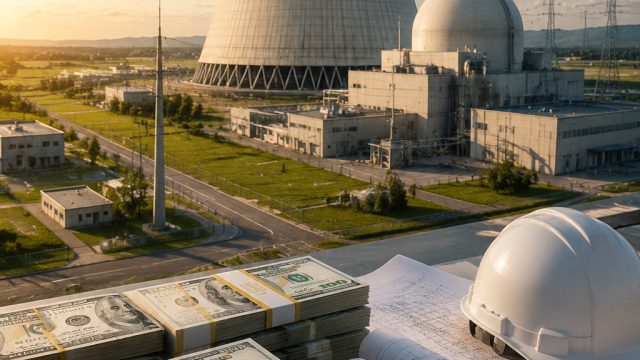
In a landmark development for the energy sector, the U.S. government has announced an unprecedented $17.5 billion in loans dedicated to the construction of ten new large nuclear reactors. This initiative, spearheaded by the current administration, marks a significant step towards bolstering the nation’s energy independence and tackling climate change head-on. As countries worldwide strive for sustainable energy solutions, this funding could reshape the landscape of nuclear power and its role in achieving clean energy goals.
Why Nuclear Energy is Gaining Momentum
Nuclear energy has long been a contentious topic, often overshadowed by concerns regarding safety and waste management. However, with the growing urgency to reduce carbon emissions and combat climate change, the focus is shifting toward nuclear power as a viable, low-carbon energy source.
The Climate Change Imperative
The effects of climate change are becoming increasingly evident, prompting governments and organizations to seek urgent solutions. Nuclear power is capable of generating large amounts of energy with minimal greenhouse gas emissions, making it a crucial player in the transition to a sustainable energy future.
Technological Advancements
Modern advancements in nuclear technology have rendered newer reactor designs safer and more efficient. Innovations such as small modular reactors (SMRs) and advanced cooling systems have revitalized interest in nuclear energy. This new funding will likely support research and development in these areas, paving the way for safer nuclear energy production.
Impact of $17.5 Billion Loan Announcement
The announcement of a $17.5 billion investment for new nuclear reactors is significant for several reasons:
- Job Creation: The construction and operation of new reactors will generate thousands of jobs, from engineering and construction to plant operations.
- Energy Security: By investing in nuclear energy, the U.S. is taking steps toward securing its energy supply, reducing dependency on fossil fuels.
- Global Leadership: This funding positions the U.S. as a leader in the global nuclear energy market, which could enhance international partnerships and trade opportunities.
Addressing Public Concerns
While the benefits of nuclear energy are substantial, public skepticism still looms large. Addressing safety concerns and waste disposal methods will be critical as the government moves forward with these projects. Transparent communication and community engagement will help mitigate fears and promote understanding of nuclear technology.
The Broader Energy Landscape
The investment in nuclear energy comes at a time when renewable energy sources like wind and solar are rapidly evolving. Nuclear power can complement these technologies, providing a stable energy output that can support renewable efforts when the sun isn't shining or the wind isn't blowing. The synergy between nuclear and renewables can pave the way for a more resilient and diversified energy grid.
Comparing Energy Sources
When evaluating energy sources, several factors must be considered:
- Carbon Footprint: Nuclear energy emits negligible carbon compared to fossil fuels.
- Energy Density: Nuclear fuel has a high energy density, meaning it can produce a large amount of energy from a small volume of fuel.
- Reliability: Nuclear power plants operate continuously for long periods, providing a steady power supply.
The Future of Nuclear Power
As the world grapples with the pressing challenges of climate change and energy demand, nuclear energy stands out as a critical component of the solution. The recent funding announcement is not just a financial commitment; it’s a renewed recognition of nuclear power's potential to contribute to a sustainable future.
International Context
Countries across the globe are ramping up their investments in nuclear technology. With China, India, and others pursuing ambitious nuclear programs, the U.S. must remain competitive. The current funding initiative can enhance the nation’s technological capabilities and safeguard its position as a leader in the global energy market.
Conclusion
The $17.5 billion loans for new nuclear reactors represent more than just financial aid; they signify a pivotal shift towards embracing nuclear energy as a sustainable solution to modern energy challenges. As we move forward, the integration of nuclear power with renewable energy sources can lead to a cleaner, more secure energy future. Stakeholders, communities, and policymakers must collaborate to ensure that nuclear energy development is safe, efficient, and widely accepted, paving the way for a sustainable tomorrow.