

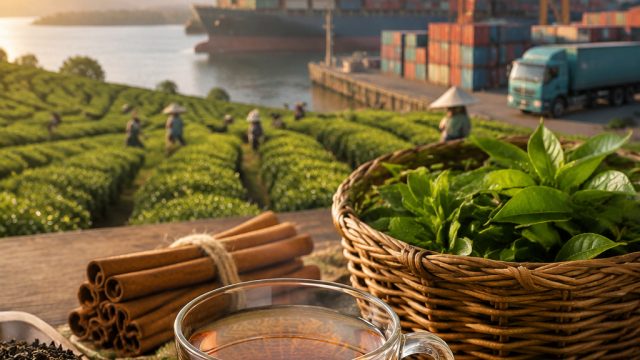
Sri Lanka stands at a crossroads, where its rich agricultural heritage and global demand for high-quality products intersect. As highlighted by recent insights from the World Bank Group (WBG), the northern and eastern regions of Sri Lanka possess immense agricultural potential, particularly in the cultivation of tea and cinnamon. This presents an unprecedented opportunity for the country to reignite its export economy through these cherished commodities.
The Global Demand for Quality Tea and Cinnamon
Tea and cinnamon have long been integral to Sri Lanka’s identity and economy. With global tea consumption on a steady rise, particularly for premium and specialty teas, the demand for Sri Lankan tea exports has never been higher. Additionally, the spice market is witnessing a notable surge in interest, with cinnamon being hailed for its culinary and health benefits.
Rising Market Trends
Recent data indicates that regions focusing on sustainable and organic practices in tea and cinnamon production are experiencing significant growth. Consumers are increasingly seeking transparency and quality, which Sri Lanka's farmers can provide. The shift toward health-conscious choices has made these exports particularly appealing.
- Increased global tea consumption by 5% annually.
- Growing interest in organic cinnamon, boosting the market by 10%.
- Sri Lanka's unique blend of climate and soil enhances the flavor profile of its exports.
Investment Opportunities in Northern and Eastern Sri Lanka
The northern and eastern provinces of Sri Lanka, once marred by conflict, are now emerging as agricultural hubs. The WBG's findings suggest that these areas hold untapped potential for enhancing agricultural productivity, particularly through the cultivation of tea and cinnamon. Investment in this sector is not only essential for economic revival but also for fostering community development.
Challenges and Solutions
While the prospects are promising, several challenges remain. Farmers in these regions often struggle with access to modern agricultural techniques and market information. By investing in training programs and technology, stakeholders can empower these communities, enabling them to maximize yield and quality.
- Introduce modern farming techniques and organic certification.
- Facilitate better access to markets through infrastructure development.
- Promote cooperative models to help small farmers pool resources.
The Role of the World Bank Group in Agricultural Development
The WBG is playing a pivotal role in supporting Sri Lanka's agricultural sector. By providing funding and technical assistance, the organization aims to enhance productivity and sustainability in the tea and cinnamon industries. Their commitment to fostering partnerships between the government, farmers, and private sector stakeholders is crucial for long-term growth.
Strategic Initiatives
Through various initiatives, the WBG is helping to:
- Promote best practices in sustainable agriculture.
- Enhance supply chains to ensure quality and consistency.
- Facilitate access to international markets for smallholder farmers.
Conclusion: A Bright Future for Sri Lanka's Exports
The revival of Sri Lanka’s export sector through tea and cinnamon is not just a possibility but an emerging reality. With global demand surging and local potential being unlocked, the time to invest in these commodities is now. By focusing on sustainable practices and harnessing the expertise of institutions like the WBG, Sri Lanka can position itself as a leader in the global tea and spice markets. This is a moment of transformation that can drive economic growth while celebrating the island’s rich agricultural legacy.