

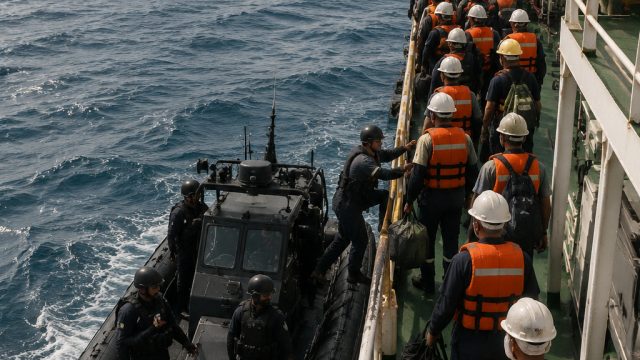
In a significant development for maritime safety and international cooperation, more than 11,000 seafarers stranded in the Persian Gulf are set to begin their evacuation through the crucial Strait of Hormuz. This large-scale operation comes as tensions in the region rise, and it marks a collaborative effort between Iranian and U.S. maritime authorities aimed at ensuring the safety of these maritime workers.
The Urgency Behind the Evacuation
The decision to initiate this evacuation stems from escalating safety concerns in the Gulf region, which has been a hotspot for geopolitical tensions. Shipping routes through the Strait of Hormuz are vital, as they facilitate the passage of a significant portion of the world’s petroleum. As risks to shipping increase, so does the urgency to protect the workers at sea.
Understanding the Current Maritime Climate
As of now, maritime organizations are closely monitoring the situation, with a focus on both the seafarers' welfare and the overall security of shipping lanes.
- Increased military presence from various nations has been noted.
- Trade routes are experiencing delays due to rising tensions.
- Seafarers express growing concerns over their safety and working conditions.
The Logistics of the Evacuation
This evacuation plan is expected to roll out swiftly, with a comprehensive strategy that prioritizes the safe return of all affected personnel. Maritime authorities are initiating effective coordination between shipping companies, local governments, and international maritime bodies.
Key Aspects of the Evacuation Plan
- Deployment of Evacuation Vessels: Specially designated vessels will be used to transport seafarers from various points in the Gulf to safety.
- Coordination with Local Authorities: Collaboration with Iranian officials will facilitate smooth operations, ensuring compliance with local regulations.
- Support from International Maritime Organizations: Global maritime bodies are providing resources and guidance to enhance the efficiency of the evacuation.
International Implications and Future Support
The successful execution of this evacuation plan not only underscores the importance of international cooperation in maritime safety but may also set a precedent for future operations in conflict-prone areas. The collaboration between the U.S. and Iran serves as a reminder that even amidst geopolitical tensions, the safety of human lives remains paramount.
Potential Long-term Effects on Maritime Operations
A well-managed evacuation could lead to a reassessment of maritime security protocols in the region. Future measures might include:
- Establishment of more robust safety nets for seafarers.
- Enhanced communication systems for distress signals.
- Stronger regulations for maritime operations in high-risk zones.
Conclusion: A Call for Continued Vigilance
The impending evacuation of over 11,000 seafarers from the Persian Gulf highlights the urgent need for enhanced maritime safety measures in an increasingly volatile region. As nations come together to facilitate this operation, the emphasis on humanitarian efforts exemplifies the crucial balance between national interests and global cooperation. Stakeholders in the shipping industry, including authorities, companies, and support organizations, must remain vigilant and proactive in safeguarding the well-being of those who venture into these challenging waters.