

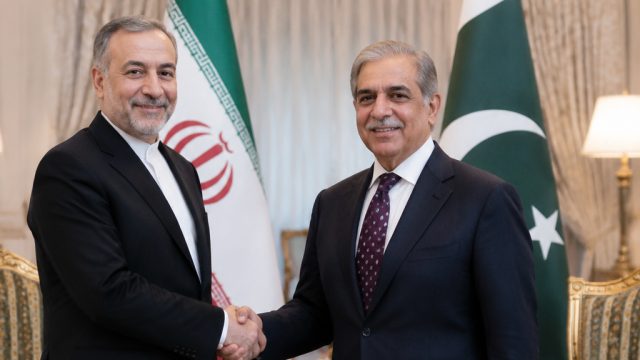
As diplomatic tensions rise globally, Iran's President is set to visit Pakistan, marking a significant step in regional relations amid ongoing U.S. diplomatic efforts aimed at closing gaps in peace negotiations. This visit, taking place against a backdrop of strategic interests, underscores the importance of alliances in the ever-evolving geopolitical landscape.
Context of the Visit: What’s at Stake?
The timing of this visit is crucial. With the U.S. and Iran working towards a potential resolution to long-standing conflicts, Iran's outreach to Pakistan may be seen as an effort to strengthen alliances and showcase regional stability. The dynamics between Iran and Pakistan are not just limited to bilateral relations; they ripple through a network of partnerships that influence the broader Middle Eastern stability.
Strengthening Bilateral Relations
For years, Iran and Pakistan have shared a complicated history characterized by both cooperation and tension. The Iranian president's visit aims to solidify their partnership in several key areas:
- Trade Agreements: A push towards increasing bilateral trade to boost economic ties.
- Security Cooperation: Collaborative efforts to combat regional threats, particularly from extremist groups.
- Cultural Exchange: Initiatives to foster cultural understanding and people-to-people connections.
The Broader Impact on the Region
This diplomatic move doesn't occur in isolation. The repercussions of this visit could have far-reaching implications for regional politics, especially given the current U.S.-Iran negotiations. Here are some potential impacts:
- Influence on Neighboring Countries: A strengthened Iran-Pakistan relationship could encourage other countries in the region to reassess their alliances.
- Economic Opportunities: Enhanced trade links might lead to economic benefits for both countries, potentially impacting markets in the region.
- Security Dilemmas: The visit might provoke responses from rival states, leading to adjustments in military posturing.
Challenges Ahead: Navigating Complex Relations
Despite the optimistic outlook of enhanced relations, several challenges remain for Iran and Pakistan:
- Historical Suspicion: Long-standing suspicions and historical grievances may impede swift progress.
- External Influences: The U.S. and India are significant players whose interests could complicate Iran-Pakistan relations.
- Domestic Issues: Both countries face internal pressures that could affect their diplomatic agendas.
The Role of the U.S. in Shaping Outcomes
The U.S. plays a pivotal role in this narrative. As it works towards a war-ending deal with Iran, the outcomes of these negotiations could significantly influence Iran's foreign policy direction. The Iranian government is likely to engage in diplomatic maneuvers to bolster its standing in light of these interactions. The outcome may dictate how Iran positions itself not just towards Pakistan but across the entire region.
Conclusion: A New Chapter in Regional Diplomacy
The visit of Iran’s President to Pakistan signifies a potentially transformative moment in regional diplomacy. As the political landscape shifts with U.S. negotiations in play, the outcome of this visit could set the tone for future relations in the Middle East. The discussions and agreements forged during this time may not only impact bilateral ties but could also ripple outward, influencing broader regional stability and economic collaboration.
In conclusion, as we observe these developments closely, it is essential to remain informed about the potential outcomes and challenges ahead. The world is watching as Iran and Pakistan navigate this intricate web of diplomacy in pursuit of peace and cooperation.