

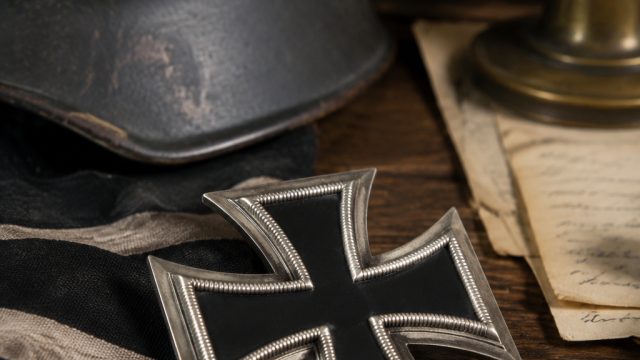
Throughout history, symbols have emerged that resonate deeply within the collective consciousness of nations and cultures. One such symbol is the Iron Cross, a military decoration originating in Prussia that has transcended its initial purpose to become a poignant reminder of sacrifice, valor, and commitment. This article explores the enduring significance of the Iron Cross and why its message continues to hold relevance in contemporary society.
The Historical Context of the Iron Cross
Established in 1813 during the Napoleonic Wars, the Iron Cross was created to honor acts of bravery among soldiers. Initially, it served as an emblem of recognition for military valor, but over the decades, it has accumulated layers of meaning shaped by historical events and societal changes.
The Evolution of the Decoration
- 19th Century Origins: The Iron Cross was first awarded by King Friedrich Wilhelm III of Prussia, becoming a symbol of national pride.
- World Wars I and II: The decoration gained prominence during both World Wars, becoming synonymous with German military service.
- Post-War Period: Its meaning shifted, often associated with complex narratives of nationalism and militarism.
The Cultural Impact of the Iron Cross
As the years progressed, the Iron Cross moved beyond military recognition to permeate various aspects of culture, art, and even modern-day media. Its striking design has inspired countless interpretations and adaptations across different platforms.
Symbolism in Modern Culture
Today, the Iron Cross is frequently referenced in music, fashion, and tattoo culture, often detached from its original military implications. This evolution illustrates how symbols can be recontextualized and adopted by different generations.
Contemporary Relevance
In a world increasingly defined by conflict and division, revisiting the core messages behind symbols like the Iron Cross can foster discussions about valor and sacrifice within contemporary settings. It invites us to consider the meaning of courage in various forms—whether on the battlefield or in daily life.
Lessons from the Iron Cross for Today's Society
The legacy of the Iron Cross teaches us about the importance of sacrifice and resilience. While its history is complex and often controversial, the underlying themes can inspire current and future generations to reflect on their values and commitments.
Values of Sacrifice and Honor
- Understanding Sacrifice: The Iron Cross calls us to acknowledge the sacrifices made by individuals for a greater cause, fostering a sense of gratitude.
- Encouraging Honor: It promotes the idea of honoring those who have served and continue to serve in various capacities, including humanitarian efforts.
- Fostering National Unity: As a historical symbol, it can be used to encourage unity and collective strength in the face of modern challenges.
The Iron Cross in Contemporary Discourse
As we examine the Iron Cross within the context of contemporary discourse, it becomes clear that symbols wield a considerable influence over societal narratives. The discussions surrounding the Iron Cross today encapsulate themes of identity, nationalism, and the re-examination of historical legacies.
Engaging with the Legacy
To truly appreciate the Iron Cross, it is vital to engage with its multifaceted history, recognizing both its valorous origins and the complexities that have emerged in relation to it. This engagement allows for a more nuanced understanding of how symbols can shape our perceptions and actions.
The Call to Reflect
As we navigate the complexities of the modern world, the Iron Cross stands as a reminder of our collective history and the enduring nature of sacrifice. In examining its legacy, we can find an opportunity to reflect on the values we wish to uphold in our societies today.
Conclusion: Embracing the Legacy
The Iron Cross serves as more than just a military decoration; it embodies a rich tapestry of history, sacrifice, and cultural evolution. By exploring its significance, we can better understand the context of sacrifice in our lives and the values we choose to embrace moving forward. As we reflect on its legacy, let us honor the past while forging paths toward a more unified future.