

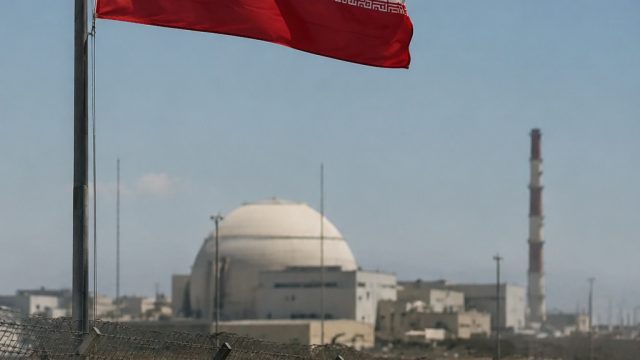
In a significant development in global affairs, Iran has firmly stated that it will not permit inspections of its nuclear sites, raising concerns about transparency and regional security. This declaration comes at a time when international scrutiny is high, especially regarding Iran's nuclear ambitions and the ongoing geopolitical tensions in the Middle East. Understanding Iran's stance is crucial as it not only impacts regional stability but also affects global diplomatic efforts.
Context of the Current Standoff
The backdrop of this situation involves complex negotiations and historical mistrust. Iran has been engaged in discussions with various world powers, attempting to navigate the intricacies of its nuclear program. However, the nation has taken a hard line, emphasizing its sovereignty over its nuclear facilities.
Iran's recent announcement follows a period of uncertainty regarding the access of nuclear inspectors from the United Nations. The nation has indicated that it will maintain control over its nuclear sites and will not entertain any external inspections that might undermine its authority.
Implications for Regional Security
The refusal to allow inspections carries significant implications for security in the Middle East. With various countries closely monitoring Iran's nuclear capabilities, this decision could escalate tensions in an already volatile region. Here are some key points to consider:
- Increased Suspicion: Iran's stance may lead to heightened fears among neighboring countries, prompting them to reconsider their own defense strategies.
- Potential for Conflict: The refusal for oversight could spark confrontations, as states might feel threatened by a nuclear-armed Iran.
- Impact on Negotiations: This declaration complicates ongoing discussions regarding nuclear agreements and may hinder diplomatic relations.
Iran's Control Over the Strait of Hormuz
In addition to its nuclear position, Iran has reiterated its control over the Strait of Hormuz, a critical maritime chokepoint for global oil shipments. This waterway is vital for international trade, where approximately 20% of the world's oil passes through.
The significance of this strait cannot be overstated. Iran's assertions of control could affect oil prices and global markets, especially if tensions escalate. As nations remain vigilant, the potential for disruption in this strategic trade route grows.
The Global Response
The international community has responded with a mixture of concern and condemnation. Key players, including the United States and European nations, are closely watching developments. Possible responses might include:
- Sanctions: Further economic sanctions could be imposed if Iran continues to reject international oversight.
- Military Presence: Increased military presence in the region may be a tactic employed by the West to deter any aggressive maneuvers from Iran.
- Diplomatic Efforts: Renewed calls for diplomatic solutions may arise as countries seek to avoid a military confrontation.
Conclusion: A Call for Dialogue
The situation surrounding Iran's nuclear program and its control of critical waterways underscores the urgent need for dialogue and diplomatic engagement. As the world watches closely, it is essential for all parties to seek common ground and prioritize peace over conflict.
In a time marked by uncertainty and potential conflict, fostering an environment of communication and understanding is vital. The stakes are high, and the global community must work collectively to ensure that tensions do not escalate into confrontation. Only through dialogue can a path to peace and stability in the Middle East be forged.