

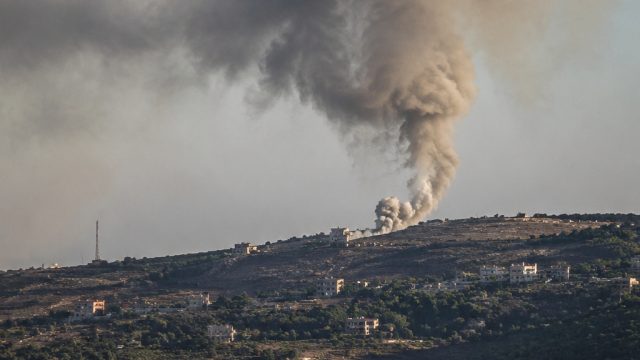
As tensions escalate in the Middle East, residents of northern Israel find themselves grappling with a profound uncertainty about their future. With the conflict involving Hezbollah showing no signs of abating, many locals are left questioning the viability of any peace agreements that may be proposed. This situation is particularly evident in border towns, where daily life is heavily influenced by the ongoing strife.
The Local Impact of the Conflict
In cities like Kiryat Shmona, the mood is somber. Residents have expressed their concerns about the safety and stability of their community. Daniel Dorman, the owner of a popular pizzeria in the town, reports a significant decline in customers. “Most days, my place is nearly empty,” he laments. “People are afraid to go out, and even those who do still prefer to stay at home.”
Fear and Hesitation
The pervasive atmosphere of fear has led to a hesitancy among locals to engage in their usual activities. Many residents feel trapped within their own homes, leading to a decline in local businesses and a growing sense of isolation. These sentiments are echoed across the region, as citizens ponder the implications of the ongoing conflict on their day-to-day lives.
Residents Skeptical of Peace Initiatives
Despite discussions surrounding potential ceasefires or peace initiatives, skepticism runs high among the northern Israeli populace. Recent history has shown that agreements often falter or are disregarded, leaving many feeling disillusioned.
Historical Context of the Conflict
Understanding the historical backdrop of the Israeli-Hezbollah conflict is crucial. Here are some key points:
- Hezbollah, a militant group based in Lebanon, has a long-standing adversarial relationship with Israel.
- Previous attempts at peace have often been undermined by violence or political maneuvers.
- The region has seen several flare-ups over the years, with many civilians caught in the crossfire.
Given this context, the latest talks for peace are met with a healthy dose of skepticism. “We’ve heard promises before,” says another local, Miriam Cohen. “Until we see real change on the ground, I don’t believe anything will be different.”
The Role of Government and Military Actions
In response to the ongoing conflict, the Israeli government has ramped up military actions along the border, leading to further escalation. This approach has resulted in heightened tensions, with civilians feeling the direct impact of military operations in their neighborhoods.
Security Measures and Community Resilience
As residents adapt to the evolving situation, community resilience is on display. Many have taken to organizing local safety measures and support networks:
- Community shelters are being reinforced to provide refuge during escalations.
- Local organizations are offering mental health support to those affected by the conflict.
- Residents are coming together to support local businesses, ensuring they can weather the economic storm.
While the community grapples with fear and uncertainty, their spirit remains unbroken. “We will not be defined by this conflict,” says Dorman, echoing the determination of many in the region.
Looking Ahead: Hope or Despair?
As the situation in northern Israel remains tenuous, the question lingers: can peace ever be achieved? The answer is complex, as both sides of the conflict grapple with deep-rooted grievances and aspirations. While discussions of peace continue, the reality on the ground tells a different story.
The Importance of Dialogue
Experts suggest that open dialogue is essential for any potential resolution. Efforts must not only focus on immediate ceasefires but also address the underlying issues that perpetuate the cycle of violence. Without addressing these core grievances, any temporary peace will likely remain just that—temporary.
Conclusion
In this challenging environment, the people of northern Israel demonstrate resilience amid uncertainty. As they navigate their daily lives under the shadow of conflict, their voices remain crucial in the discourse surrounding peace and security in the region. The road ahead may be fraught with challenges, but hope springs eternal among those who refuse to succumb to despair.