

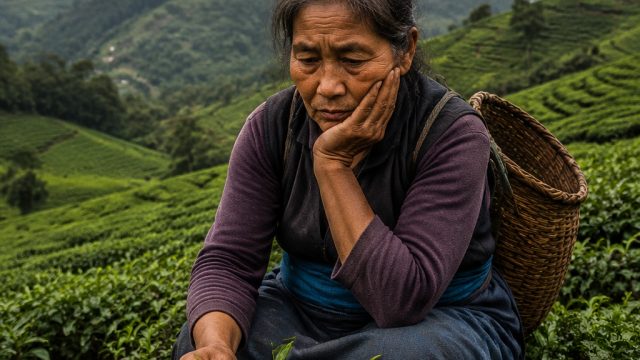
In recent years, the iconic Darjeeling tea has faced significant challenges, with production rates halving over the past decade. This dramatic change raises critical questions about the future of this cherished beverage, especially as imports from neighboring Nepal continue to exert pressure on the market. As the tea industry adapts to these evolving dynamics, it is crucial to examine the reasons behind this decline and the potential pathways for recovery.
The State of Darjeeling Tea Production
Darjeeling tea, often referred to as the "champagne of teas," has long been celebrated for its unique flavors and aromas. However, the last ten years have seen a troubling decrease in production. Factors contributing to this decline include climate change, shifting agricultural practices, and increased competition from imported teas.
Impact of Climate Change
One of the primary culprits behind the decrease in production is climate change. The changing weather patterns have led to irregular rainfall and fluctuating temperatures, adversely affecting tea plants' growth cycles. Tea estates that once thrived under predictable weather conditions now grapple with unpredictable harvests. This instability not only reduces the quantity of tea produced but also impacts the quality, which is paramount for maintaining Darjeeling's renowned reputation.
Shifts in Agricultural Practices
Many tea producers are struggling to adapt to modern agricultural techniques. The traditional methods that once sustained Darjeeling's tea production are now being challenged by the need for higher yields and efficiency. Some farmers are hesitant to adopt new technologies or practices, leading to stagnation. Furthermore, an aging workforce combined with the youth's migration to urban areas has exacerbated the labor shortage, further complicating the production process.
Increased Competition from Nepal
While Darjeeling tea has its unique place in the market, the influx of tea imports from Nepal poses a significant challenge. Nepal has made strides in producing high-quality teas that compete directly with Darjeeling's offerings. These imported teas often come at lower prices, making them more appealing to consumers and retailers.
Quality vs. Price: The Consumer Dilemma
Consumers looking for quality often find themselves at a crossroads. The lower-priced Nepali teas may attract price-sensitive buyers, while loyal Darjeeling tea enthusiasts continue to seek the distinct flavors they've come to love. This divergence in consumer behavior adds another layer of complexity to the already strained market.
- Quality Preservation: Maintaining the premium quality of Darjeeling tea is essential for sustaining its market position.
- Pricing Strategies: Adapting pricing models to remain competitive without compromising quality is a critical challenge for producers.
- Brand Loyalty: Building and maintaining a strong brand presence is vital to retain loyal customers amidst growing competition.
Future Prospects for Darjeeling Tea
Despite the challenges, there is hope for the future of Darjeeling tea. Industry stakeholders are beginning to recognize the need for strategic adaptations that could revitalize this beloved beverage. Here are some potential pathways forward:
Embracing Sustainable Practices
As the global market increasingly values sustainability, adopting eco-friendly farming practices could enhance the appeal of Darjeeling tea. By promoting organic cultivation methods and reducing carbon footprints, producers can attract environmentally conscious consumers.
Innovative Marketing Strategies
Leveraging digital marketing and social media can help boost visibility for Darjeeling tea. Engaging storytelling about the heritage and unique qualities of Darjeeling can capture the interest of tea enthusiasts and new consumers alike.
Collaborative Efforts
Cooperative initiatives among tea growers can foster knowledge sharing and resource pooling. By coming together, producers can tackle issues related to production, marketing, and sustainability more effectively.
Conclusion
The future of Darjeeling tea hangs in a delicate balance, influenced by both local challenges and global market dynamics. While the decline in production poses serious concerns, it also opens the door for innovation and transformation within the industry. By embracing sustainable practices, adapting to consumer preferences, and collaborating for success, the Darjeeling tea industry can not only survive but thrive in the face of adversity. As consumers, we play a vital role in this journey—by supporting quality, heritage, and sustainability, we can help ensure that Darjeeling tea continues to hold its esteemed place in the world of beverages.