

Key Takeaways
- New AI technology simulates sounds of extinct insects from the Jurassic period.
- Research used fossilized wing structures to reconstruct potential chirps.
- This soundscape reveals insights into prehistoric ecosystems.
- Study aims to understand the role of sound in ancient life.
- Findings enhance our perspective on the evolution of modern insects.
The Science Behind the Sounds
Using a blend of artificial intelligence and paleontological expertise, scientists have made remarkable strides in recreating the sounds of insects that thrived during the Jurassic period, approximately 165 million years ago. This groundbreaking research sheds light on how ancient ecosystems may have sounded, contributing to our understanding of the environment in which these creatures lived.
Artificial Intelligence Meets Paleontology
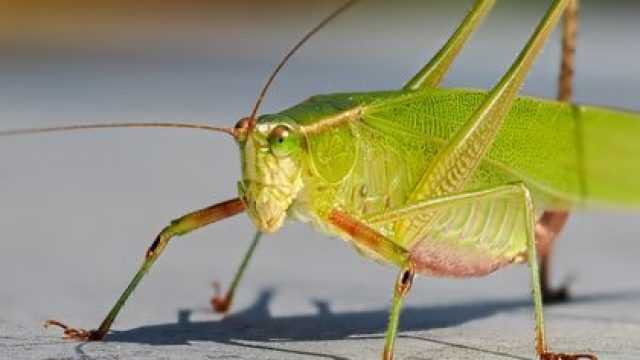
The process involved modeling the wing structures of various extinct insects, specifically katydid-like species. Researchers carefully analyzed fossilized wings, utilizing AI algorithms to predict the sounds these insects would have produced. By comparing these findings with the sounds of their modern relatives, scientists could simulate a realistic soundscape.
Significance of Understanding Ancient Sounds
Why does this matter today? The revival of these sounds offers a unique perspective on the behavior and ecology of ancient insects. Sound plays a crucial role in communication, mating rituals, and predator-prey interactions in today's ecosystems, and understanding the sounds of the past can help us better grasp how these interactions have evolved over millions of years.
Implications for Modern Research
The ability to recreate prehistoric sounds opens new avenues for research not only in entomology but also in fields like ecology and evolutionary biology. For instance, as we examine the changes in insect sounds over millions of years, we gain insights into how environmental shifts have influenced species adaptation and biodiversity.
Education and Public Engagement
Moreover, this research offers a fantastic opportunity for education and public engagement. Museums and educational institutions can utilize these simulations to enhance exhibits, allowing visitors to experience the ancient world in a way previously thought impossible. This could spark a deeper interest in paleontology and the history of life on Earth.
Future Directions and Research Opportunities
As technology continues to advance, the potential for further discoveries in this realm is immense. Researchers are exploring various avenues, including how these sounds influenced other species and contributed to the overall biodiversity of their ecosystems. By engaging in interdisciplinary collaboration, scientists can expand their understanding of the past and its relevance to the present and future.
Broader Impacts
The implications of this research extend beyond the realm of science. It opens discussions about how our understanding of biodiversity and ecosystems can benefit from integrating technology, such as AI, into traditional research methodologies. This could lead to innovative approaches in conservation efforts, particularly as we face challenges like climate change and habitat loss today.
Conclusion
The revival of Jurassic insect sounds through artificial intelligence not only fascinates us with the auditory experiences of ancient life but also enhances our understanding of ecological dynamics over millions of years. As we harness technology to delve deeper into the past, we pave the way for richer insights into our planet's history and the ongoing evolution of life.