

Key Takeaways
- Soft architecture promotes cozy living environments.
- This design trend is gaining traction globally, especially in Southeast Asia.
- Key cities like Jakarta and Bali are leading the way in this movement.
- Soft textures and organic shapes dominate the latest architecture styles.
- This approach enhances mental well-being through inviting spaces.
Understanding the Shift Towards Soft Architecture
In recent years, a noticeable transition has taken place in architectural design, moving away from rigid lines and stark structures to a more fluid and inviting approach known as soft architecture. This trend is not just a passing phase but rather a response to changing lifestyles and preferences, emphasizing warmth, comfort, and a connection to nature. With the rise of remote work and the need for cozy living spaces, homeowners worldwide, especially in regions like Southeast Asia, are embracing this innovative style.
Why Soft Architecture Matters Right Now
The significance of soft architecture lies in its ability to create environments that foster well-being and relaxation. As urbanization increases and space becomes a premium, particularly in bustling cities such as Jakarta and Surabaya, the demand for homes that feel serene and inviting is higher than ever. Soft architecture addresses these needs by incorporating organic materials, gentle curves, and natural light, which contribute to more harmonious living spaces.
Key Features of Soft Architecture
Soft architecture is characterized by several key elements that distinguish it from traditional designs:
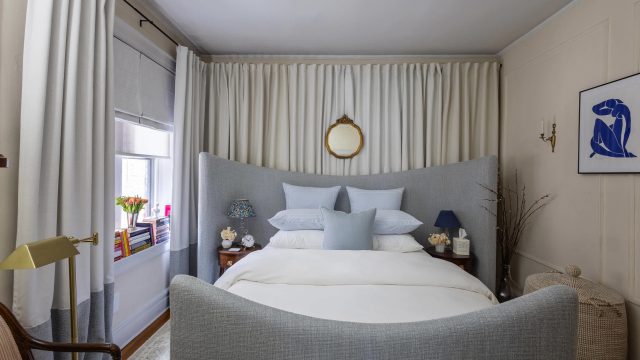
- Organic Shapes: This design approach favors rounded edges and flowing lines over sharp angles, promoting a sense of comfort.
- Natural Materials: Wood, stone, and textiles are commonly used to create a warm, inviting atmosphere.
- Flexible Spaces: Open floor plans and multifunctional areas are encouraged, allowing homeowners to adapt their spaces to various needs.
- Biophilic Design: Integrating natural elements, such as indoor plants and large windows, helps connect indoor spaces with the outdoors.
The Impact of Soft Architecture on Interior Design
As soft architecture gains popularity, it is influencing not only building designs but also interior decor trends. The focus on comfort translates into softer furnishings, warm color palettes, and inviting layouts. Homeowners are rethinking their spaces, aiming for environments that promote relaxation and social interaction.
How Southeast Asia is Adopting Soft Architecture
Southeast Asian countries, particularly Indonesia, are at the forefront of this architectural movement. Here’s how cities are embracing soft architecture:
- Jakarta: The capital city is seeing a rise in residential projects that prioritize comfort and coziness.
- Surabaya: Designers in Surabaya are incorporating soft architecture into modern homes, focusing on spaciousness and light.
- Bali: Known for its natural beauty, Bali is integrating soft design elements into eco-friendly retreats.
Conclusion: Embracing a Softer Future in Architecture
As we move into a future where our living environments need to cater to our emotional and mental well-being, the trend of soft architecture is becoming increasingly relevant. It offers a refreshing alternative to traditional design, creating spaces that are not only aesthetically pleasing but also deeply comforting. As this trend continues to evolve, it will likely inspire further innovation in how we conceive our homes and communal spaces, making the world a softer, more inviting place.