

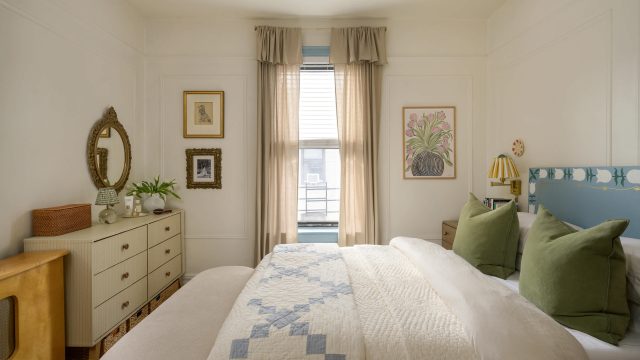
Key Takeaways
- Modern Folklore combines nostalgia with contemporary styles.
- The trend emphasizes handmade aesthetics and natural materials.
- It's gaining popularity in markets like Indonesia and wider Southeast Asia.
- This design approach fosters community and connection.
- Expect to see increased use of vintage patterns and earthy tones.
Understanding Modern Folklore Design
The Modern Folklore design trend encapsulates a yearning for simpler times while integrating modern aesthetics. As we approach 2026, this burgeoning style draws on elements reminiscent of pastoral life, blending them with contemporary functionality. The trend intertwines elements of nostalgia and sustainability, attracting a diverse audience eager for charming, personalized spaces that reflect a deeper connection to heritage.
Why Now? The Significance of Modern Folklore Design
In an age of rapid technological advancement and urbanization, the Modern Folklore trend resonates strongly with individuals yearning for authenticity and a sense of grounding. This movement speaks to the heart of communities in Southeast Asia, particularly in thriving urban centers like Jakarta, Surabaya, and Bali, where the juxtaposition of modern life and traditional influences can often feel stark.
Cultural Influences and Aesthetic Appeal
Modern Folklore design draws inspiration from various cultural narratives, celebrating local craftsmanship and traditions. In Indonesia, for instance, artisans are reviving ancient weaving techniques and natural dyeing methods, spotlighting a sustainable approach that resonates with environmentally conscious consumers. This revival not only preserves cultural heritage but also supports local economies.
Key Characteristics of the Trend
- Natural Materials: Emphasizing wood, stones, and textiles that connect interiors to nature.
- Handcrafted Elements: Unique pieces that tell stories, contributing to personalized living spaces.
- Earthy Color Palettes: Warm hues reminiscent of the outdoors, creating a serene atmosphere.
- Layered Textures: Combining different materials and patterns for visual interest and comfort.
The Future of Modern Folklore in Southeast Asia
As the Modern Folklore design trend expands, its impact on the Southeast Asian market is undeniable. In Jakarta and other urban areas, interior designers are integrating this trend into residential projects, appealing to clients who value aesthetics that reflect both history and modernity. Moreover, the trend’s emphasis on sustainability aligns with growing eco-consciousness among consumers, further fueling its popularity.
Market Implications and Business Opportunities
For businesses, the rise of the Modern Folklore trend presents numerous opportunities. Companies focusing on handmade, sustainable products are likely to thrive as consumers seek unique items that resonate on a personal level. Brands operating in the Southeast Asian market, particularly in Indonesia, can capitalize on this trend by collaborating with local artisans and promoting products that highlight traditional craftsmanship.
Conclusion: Embracing the Modern Folklore Movement
The Modern Folklore design trend is more than just a fleeting aesthetic; it represents a cultural shift towards valuing authenticity and connection to heritage. As this movement gains momentum in 2026, it invites individuals to embrace their past while looking towards a sustainable future. Whether through interior design or lifestyle choices, the allure of Modern Folklore is set to enrich lives across Southeast Asia and beyond.