

Key Takeaways
- Certain trendy designs may lead to regrets down the line.
- Practicality often overrides aesthetic appeal in kitchen choices.
- Neutral palettes tend to stand the test of time.
- Custom installations can limit future flexibility.
- Open shelving can create maintenance challenges.
Why Kitchen Design Trends Matter Now
As the demand for home renovations surges, particularly in vibrant markets like Jakarta and Bali, homeowners are keen to create spaces that reflect their style. However, with trends constantly evolving, it's crucial to discern which choices contribute to a lasting value versus those that may lead to regret.
Understanding the implications of popular kitchen design trends can save both money and time for homeowners looking to upgrade their spaces. With an increasing number of homeowners in the Indonesian market turning their attention toward modern aesthetics, it's essential to weigh the pros and cons of current design fads.
1. The Allure of Bold Colors
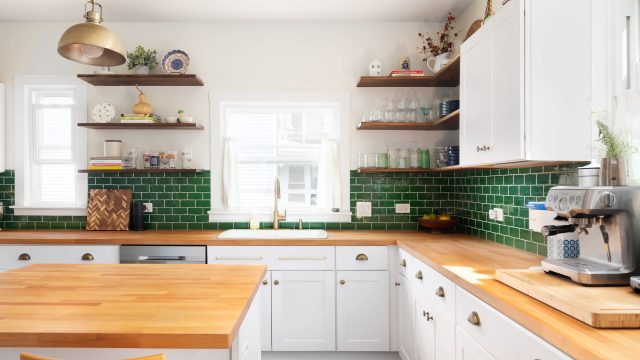
While bold colors can inject personality into a kitchen, many homeowners find that these shades can quickly become tiresome. A vibrant red or electric blue may excite initially, but as trends shift, they might become outdated. Instead, opting for a neutral color palette allows for versatility and a more timeless appeal.
2. Open Shelving Dilemma
Open shelving has gained popularity as a chic storage solution. However, homeowners often discover the maintenance involved can be daunting. Dust accumulation and the need for constant organization can detract from the aesthetic benefits. Considering closed cabinetry can provide a cleaner look with less upkeep required.
3. Too Much Customization
Custom installations may seem like a smart move, but they can limit flexibility in future renovations. Homeowners may later wish to change layouts or styles, but custom features can hinder adaptation. Finding a balance between personalized details and flexible designs is key.
4. The Trendy Island
Kitchen islands have become staples in modern homes, yet homeowners may regret the size and shape they once thought was perfect. An island that's too large can dominate a small kitchen, while a poorly structured island can interfere with flow. Homeowners should assess their space and usability before committing to an island design.
Emphasizing Practicality Over Trends
In a world inundated with design magazines and social media, the pressure to keep up with trends is immense. However, practicality should always guide design decisions. Choosing materials that are durable and easy to maintain can lead to a more satisfying kitchen experience.
Moreover, trends such as sustainable materials and multi-functional spaces are rising in popularity. These choices not only enhance the kitchen's aesthetic but also contribute to environmental responsibility, which resonates well within the Southeast Asian context.
Conclusion: Making Informed Choices
As the kitchen remains a central hub in homes across Southeast Asia, making informed design choices is paramount for homeowners. By recognizing which trends might lead to regret, individuals can create kitchens that are both stylish and timeless.
Investing in practical solutions today will pay off in the future. Whether you're based in Jakarta or Bali, it’s essential to reflect on how design choices will hold up over time. Homeowners can engage in a thoughtful dialogue about their needs and desires during the renovation process, ensuring a kitchen they love for years to come.