

Key Takeaways
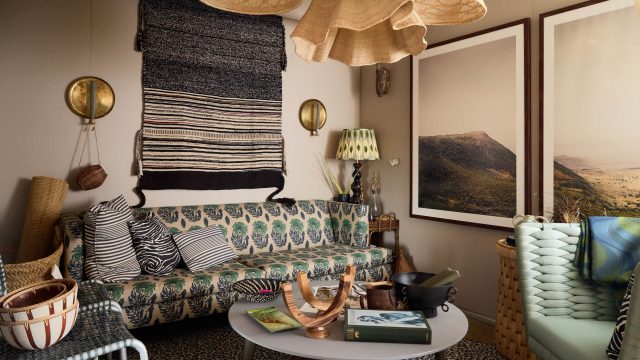
- Rugs can be styled creatively beyond the floor.
- Layering offers depth and texture to any space.
- Use rugs to define areas within open floor plans.
- Mix and match patterns for a lively decor scheme.
- Color coordination enhances room ambiance.
Rug Styling: A Creative Approach
Rugs are more than mere floor coverings; they are powerful decor elements that can transform any space. With the latest design events showcasing innovative trends, interior stylists are increasingly experimenting with unconventional rug placement. Gone are the days when rugs were simply laid flat against the floor—today, they serve multiple purposes. Whether it’s creating a cozy nook or delineating spaces in an expansive room, the right rug can elevate your interior design.
Why Rug Placement Matters Now
As more people focus on enhancing their living spaces, especially in Southeast Asia's burgeoning markets like Indonesia, understanding the nuances of rug styling becomes crucial. Recent trends indicate a shift toward using rugs in creative ways, reflecting a broader change in how individuals perceive and interact with their spaces. In cities such as Jakarta and Bali, the integration of vibrant patterns and textures is becoming popular, aligning with the current demand for personalized home aesthetics.
Layering Rugs for Visual Interest
One of the most effective methods to style rugs is through layering. By placing a smaller, vibrant rug over a larger, more neutral one, you can create depth and visual interest. This technique also allows for flexibility—changing the top rug can drastically alter the room’s mood without needing a complete overhaul.
Defining Spaces in Open Floor Plans
In open-concept homes, rugs can serve as visual anchors that define different areas. For example, a large area rug can delineate a living space from a dining area, helping to create an organized layout that feels intentional and designed. This is increasingly relevant as urban living spaces become more fragmented and multifunctional.
Mixing Patterns and Textures
Modern interior design embraces the art of pattern mixing. Combining rugs with different designs can add dynamism to your decor. However, it’s vital to maintain a cohesive color palette to ensure that the space looks harmonious rather than chaotic. Consider using a base color across all rugs to tie the look together while allowing for playful differences in patterns.
Color Coordination and Its Impact
Color coordination plays a significant role in successful rug styling. Choose rugs that complement the existing color scheme of your decor. For instance, if your room features earthy tones, a colorful rug can inject life and energy without overwhelming the space. This technique is especially popular in vibrant markets like Surabaya, where bold colors dominate the interior design landscape.
Conclusion: A Personal Touch to Your Home
Styling your rug can dramatically change the atmosphere of your home. As the trend leans towards personalization and creativity, incorporating innovative rug placements and designs can reflect your unique style while enhancing your living environment. With the insights from design experts and current market trends, it’s time to rethink how you use rugs in your space.