

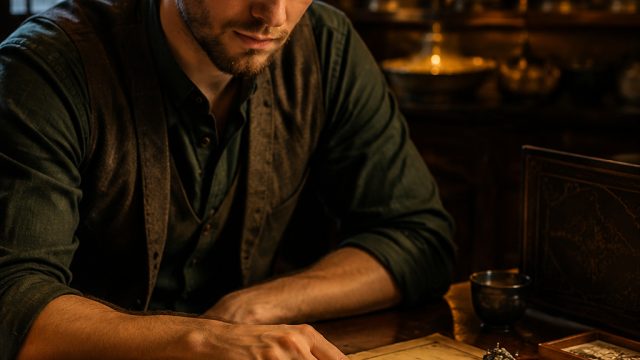
The art of being a Game Master (GM) in tabletop role-playing games can be both thrilling and daunting, especially for newcomers. As the orchestrator of the adventure, the DM is tasked with guiding players through imaginative worlds, resolving conflicts, and ensuring everyone enjoys the journey. With the right strategies, new DMs can elevate their gameplay and create memorable sessions. Here’s why mastering these skills is essential now more than ever.
The Importance of Preparation for New DMs
Preparation is key to a successful game session. Whether you're using random tables or following a structured adventure, having a solid foundation aids your confidence and improves the overall experience.
Building Your Game World
- Understand the Setting: Familiarize yourself with the game's universe. This knowledge allows you to create engaging narratives.
- Create Compelling Non-Player Characters (NPCs): Well-developed NPCs can enrich your story and make the world feel alive.
- Plan Key Events: Outline the major plot points and potential player choices, but remain flexible to adapt to unexpected player actions.
Using Random Tables Effectively
Random tables can be a fantastic tool for improvisation, providing inspiration when you're unsure what comes next.
- Encourage Player Creativity: Allow players to interact with the tables, incorporating their ideas into the story.
- Generate Unique Situations: Randomly generated encounters can challenge players and enhance unpredictability.
- Maintain Pacing: Use tables to keep the game flowing smoothly while feeding players dynamic scenarios.
Engaging Your Players: The Key to Memorable Sessions
A significant part of being a successful Game Master is ensuring that players are actively engaged throughout the session. Here are some strategies to enhance player involvement.
Understanding Player Dynamics
Each player brings unique expectations and styles to the table. Understanding these dynamics is crucial.
- Communicate Openly: Discuss expectations with your players before starting the campaign to align your goals.
- Encourage Role-Playing: Foster an environment where players feel comfortable immersing themselves in their characters.
- Incorporate Player Backstories: Use elements from players' backgrounds to enrich the narrative, making them feel more connected to the world.
Creating a Balanced Challenge
Providing a mix of challenges is essential. Ensure that encounters are neither too easy nor overwhelmingly difficult.
- Make Use of Player Feedback: Regularly check in with your players to gauge the difficulty level and adjust as needed.
- Vary Encounter Types: Include combat, puzzles, and social interactions to cater to different player preferences.
- Utilize Adventure Hooks: Hook players with intriguing plot devices that keep them invested in the story.
Staying Adaptable: Navigating Unexpected Turns
No matter how well you prepare, unexpected situations will arise during gameplay. Embracing adaptability is crucial for any GM.
Improvisation Strategies
Improvisation can turn challenges into opportunities, allowing for a more organic storytelling experience.
- Practice Active Listening: Pay attention to players' dialogue and actions, and use these cues to shape the narrative.
- Be Open to New Ideas: Encourage players to suggest plot twists or character developments, fostering a collaborative story.
- Maintain a Sense of Humor: Sometimes things will go hilariously awry. Embrace these moments to create memorable experiences.
Conclusion: Embrace the Journey of Game Mastery
Becoming an effective Game Master is a journey filled with learning and growth. By preparing thoroughly, engaging your players, and adapting to unforeseen circumstances, you can create a vibrant and unforgettable gaming experience. Now is the time to dive into the world of tabletop RPGs and share these adventures with friends. Start planning your next session today and feel empowered in your role as a DM!