

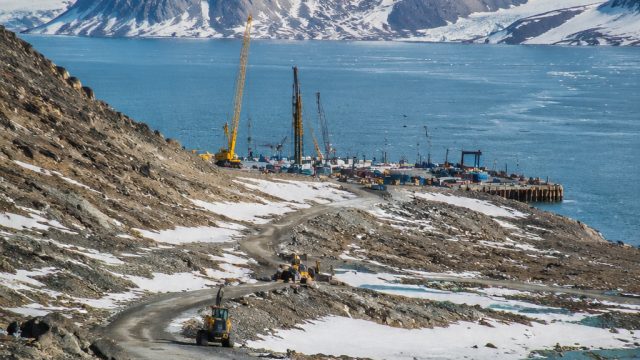
In a significant move poised to reshape the economic landscape of Canada’s northern territories, the federal government is set to unveil two major infrastructure projects today. This announcement could potentially unlock a range of opportunities for the Arctic regions, particularly Nunavut and the Northwest Territories. As the nation shifts focus towards sustainable development and resource management, these initiatives are more than just road constructions; they are pivotal to the future of northern communities.
A Closer Look at the Infrastructure Initiatives
The projects earmarked for national interest designation include the Grays Bay road and port project and the Mackenzie Valley highway project. Both initiatives aim to improve connectivity, enhance economic activities, and provide access to critical mineral resources.
Grays Bay Road and Port Project
One cornerstone of the announcement, the Grays Bay road and port project, proposes to construct a 230-kilometer all-season road linking the Northwest Territories with Nunavut. This development is expected to revolutionize access to vast mineral resources, which are crucial for various industries, including technology and renewable energy.
- Key benefits of the Grays Bay project include:
- Boosting local economies through job creation
- Facilitating the export of critical minerals
- Enhancing the overall infrastructure in remote communities
Mackenzie Valley Highway Project
The second project, the Mackenzie Valley highway, aims to connect Yellowknife to Inuvik, significantly reducing travel times and improving accessibility for residents in isolated communities. Currently, these areas are reachable only by air or seasonal roads, making transportation costly and time-consuming.
- This highway will:
- Improve emergency response times
- Enhance trade opportunities between communities
- Encourage tourism by providing better access to natural attractions
The Significance of These Developments Now
Why is this announcement especially critical at this juncture? The urgency stems from a growing need for sustainable economic growth and resource exploration in the North. As global demand for critical minerals rises, Canada finds itself at a crossroads where infrastructure development can lead to economic revitalization, environmental stewardship, and enhanced community resilience.
Environmental Considerations
While the projects promise economic benefits, environmental considerations are paramount. The government has pledged to integrate eco-friendly practices into the construction and operation of these infrastructures, ensuring that the natural beauty and ecological integrity of the Arctic are preserved.
Future Prospects for the North
The announcements being made today will not only mark the beginning of these ambitious projects but will also lay the groundwork for further investment in the northern territories. As more stakeholders, including private companies and Indigenous communities, become involved in these development initiatives, a cooperative approach is anticipated, leading to shared benefits and mutual growth.
Community Engagement
Engaging local communities in the planning and execution stages will be crucial. Their insights and traditional knowledge can guide responsible development, ensuring that projects align with their needs and aspirations.
Conclusion: A New Era for Canada’s Arctic
The anticipated announcement of the Grays Bay road and port, along with the Mackenzie Valley highway, symbolizes more than just infrastructural improvements. They represent Canada's commitment to unlocking the potential of its northern territories while maintaining a focus on environmental integrity and community involvement. As these projects advance, they are set to transform the Arctic into a hub of economic activity, ultimately contributing to Canada's broader goals of sustainability and prosperity in the face of global challenges.