

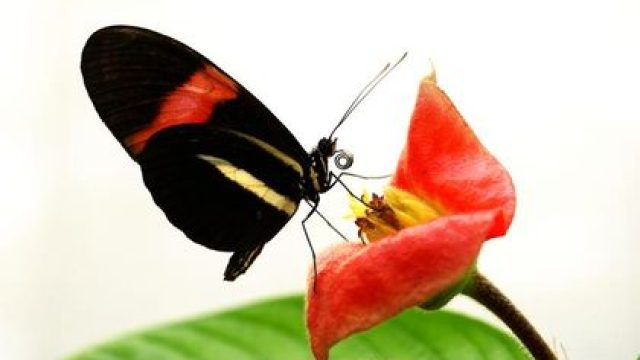
In the quest for understanding the secrets of a long and healthy life, researchers have turned their attention to the Heliconius genus of butterflies. These remarkable insects are known to live up to a year, significantly outlasting their relatives by an astonishing 25 times. Recent studies suggest that their unique diet of pollen rather than nectar might hold the key to their extraordinary lifespan, offering potential insights into healthy aging for humans.
The Enigmatic Heliconius Butterflies
Heliconius butterflies are not just vibrant and beautiful; they are also incredibly resilient. Existing in various habitats across Central and South America, these butterflies thrive in environments where other species may struggle. Their longevity poses intriguing questions about the biological factors contributing to aging processes in all living beings.
Diet: A Critical Factor
The diet of Heliconius butterflies is a primary focus for researchers investigating their extended lifespan. Unlike many butterfly species that primarily consume sugary nectar, Heliconius butterflies have developed a unique adaptation that allows them to consume pollen from flowers.
- Nutritional Benefits: Pollen is rich in proteins and essential nutrients, which may contribute to enhanced vitality and longevity.
- Reduced Metabolic Rate: The high-energy content of pollen could support a slower metabolic rate, a factor often linked to longer life.
- Antioxidant Properties: Pollens may contain antioxidants that combat cellular damage and aging.
Linking Butterfly Longevity to Human Aging
Understanding the biological mechanisms that allow Heliconius butterflies to thrive for up to a year could have profound implications for human health. As scientists continue to investigate the genetics and cellular processes involved in these butterflies' longevity, parallels with human aging are becoming increasingly clearer.
Current Research and Future Implications
Current research is focusing on several key areas that could bridge the gap between butterfly biology and human health:
- Genetic Studies: Investigations into the genes of these butterflies could reveal potential targets for enhancing human longevity.
- Dietary Insights: The dietary habits of Heliconius butterflies might inform nutritional guidelines aimed at promoting healthier aging in humans.
- Environmental Factors: Understanding how these butterflies adapt to their environments can inform strategies for improving human health in changing climates.
Impacts on Well-being
The implications of this research extend beyond mere curiosity. If the factors contributing to butterfly longevity are transferable to humans, it could pave the way for breakthroughs in health maintenance and disease prevention. As populations age globally, strategies derived from studying Heliconius butterflies may enhance life quality and longevity.
Conclusion: The Future of Aging Research
The investigation into the Heliconius butterfly not only enriches our understanding of the natural world but also offers valuable lessons in the pursuit of a longer, healthier life. As researchers delve deeper into the mechanisms that allow these remarkable butterflies to thrive, we may uncover transformative knowledge that can benefit humanity.
As we continue to explore and understand the intricate relationships between diet, genetics, and longevity, the insights gained from these butterflies could inspire innovative approaches to healthy aging. The journey into understanding the secrets of longevity has just begun, and it might just be fluttering right under our noses.