

Key Takeaways
- Adopting decluttering methods saves time and reduces stress in meal preparation.
- Maximizing pantry space leads to a more organized kitchen environment.
- Simple organization strategies can significantly improve cooking efficiency.
- Current market trends show a growing interest in home organization solutions.
- Transforming your kitchen can foster a more enjoyable cooking experience.
Understanding the Importance of Kitchen Decluttering
The kitchen is often the heart of the home, and its organization can impact not only cooking efficiency but also overall household harmony. With the rise of minimalist lifestyles and the desire for more functional spaces, organizing your kitchen has never been more relevant. This is especially true in markets like Southeast Asia, where small living spaces require smart organization strategies.
Decluttering your kitchen can create a more pleasant cooking atmosphere, making it enjoyable rather than overwhelming. A well-organized kitchen allows for quick access to ingredients, enhances meal prep, and reduces food waste—issues pivotal, especially in the Indonesian market, where fresh ingredients are vital to daily cooking.
Practical Steps for Effective Kitchen Decluttering
Here are actionable strategies to declutter your kitchen, enabling you to optimize your space and improve your cooking experience:
1. Assess Your Pantry Items
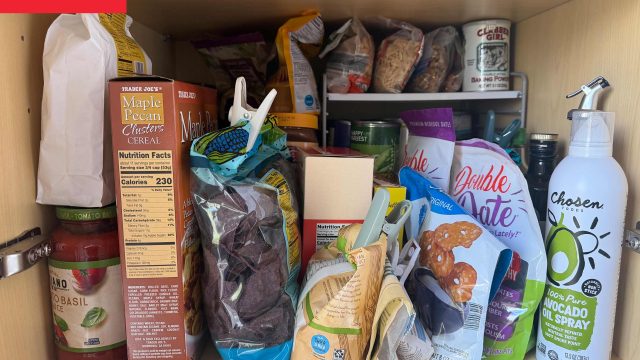
Begin by evaluating the contents of your pantry. Take everything out and examine expiration dates. This is your opportunity to discard old items and keep only what you use. Aim to categorize items based on their purpose, such as baking supplies, canned goods, and snacks.
2. Optimize Storage Solutions
Invest in clear containers for dry goods to enhance visibility and accessibility. Label containers to easily identify contents. Stackable bins can help maximize vertical space, essential in kitchens where every inch counts. Utilize drawer dividers for utensils to keep your cooking tools neatly arranged.
3. Embrace Minimalism
Adopt a minimalist approach by keeping only essential kitchen tools. This trend resonates with many, particularly in urban centers like Jakarta and Surabaya, where limited space makes simplicity key. Less clutter means easier decision-making and quicker cooking.
4. Regular Maintenance
After decluttering, establish a routine to maintain organization. Dedicate a few minutes each week to tidy up and reassess pantry items. Encourage family involvement to foster a collective responsibility for kitchen upkeep.
The Psychological Benefits of an Organized Kitchen
An organized kitchen not only improves functionality but also positively impacts mental well-being. Studies suggest that clutter can lead to feelings of stress and anxiety, hindering productivity in cooking and daily tasks. By maintaining a clean and organized space, you can foster a sense of calm and control.
Moreover, an efficient kitchen can lead to healthier eating habits. With easy access to fresh ingredients and organized cooking tools, home chefs are more likely to prepare nutritious meals rather than resorting to convenience foods. The emphasis on health-conscious living is particularly significant in regions like ASEAN, where culinary traditions thrive on fresh produce.
Conclusion: Embrace the Change
As 2023 progresses, optimizing your kitchen space through effective decluttering is essential. This transformation not only enhances your cooking experience but contributes to a healthier lifestyle. Remember that the path to an organized kitchen begins with simple steps—evaluate, optimize, and maintain. Incorporate these strategies into your daily routine and watch your kitchen evolve into a space that inspires culinary creativity.